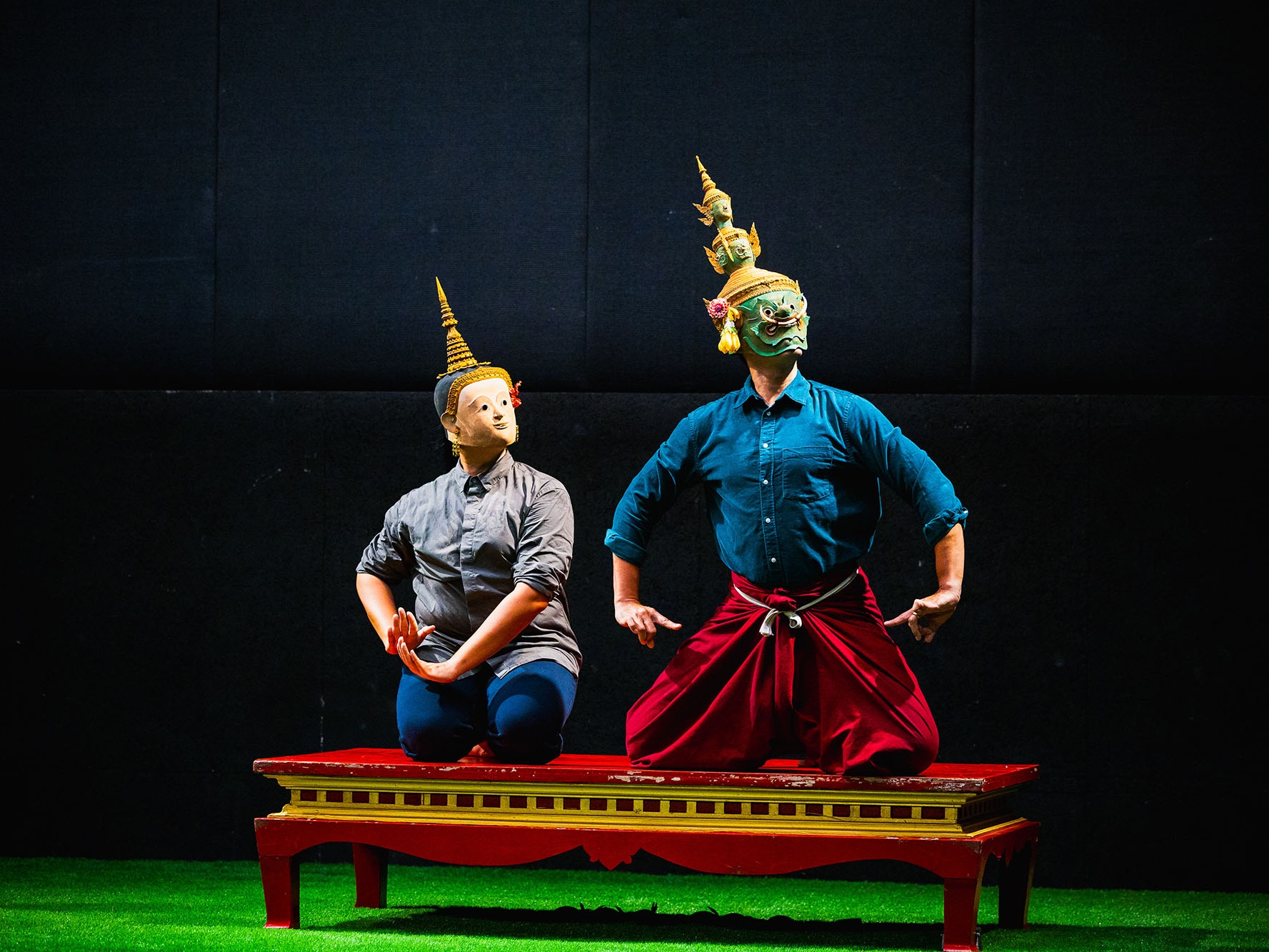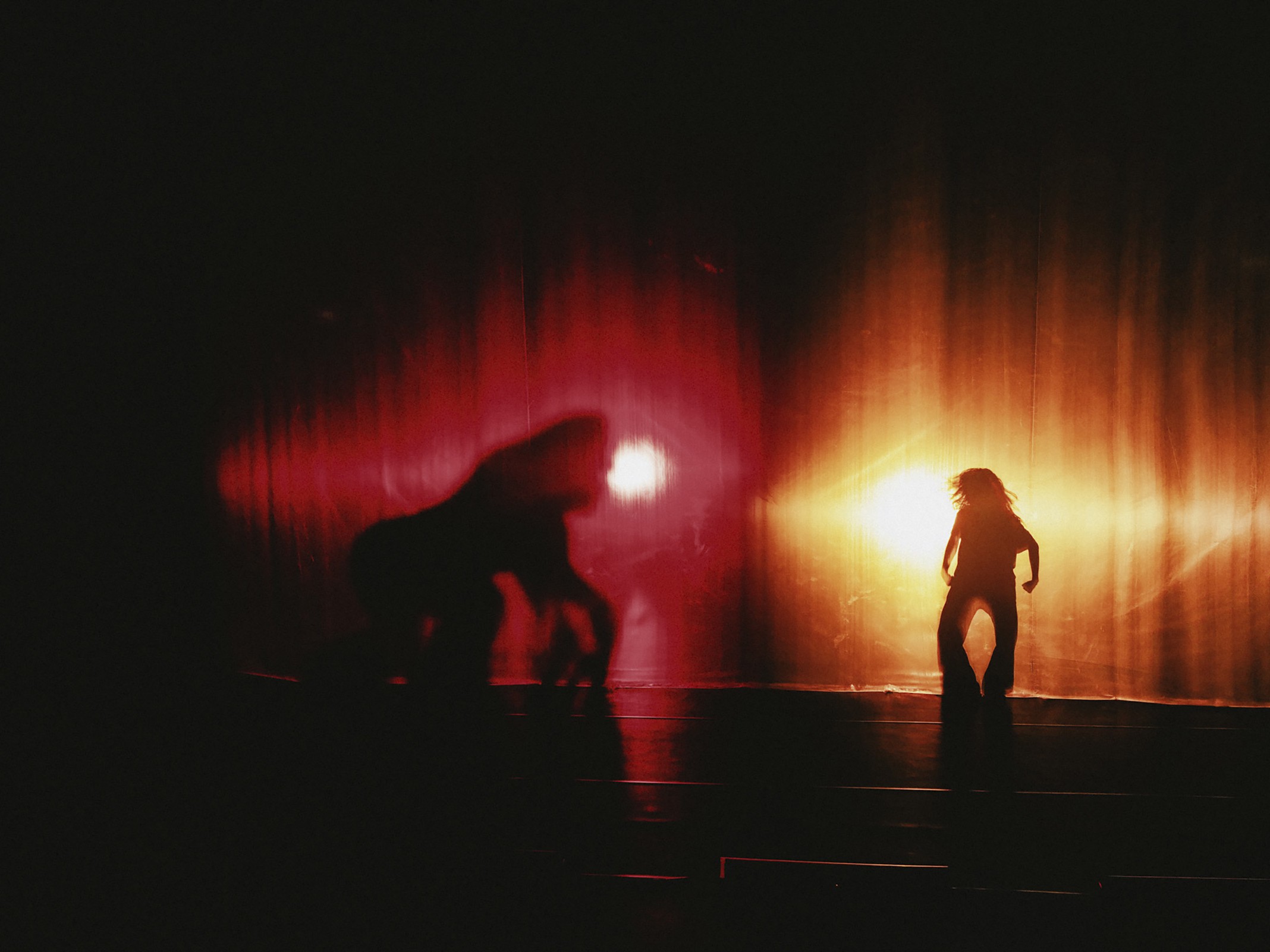
IBSEN120: GHOSTS OF MODERNITY IN CONTEMPORARY THAILAND
Object-Generated ChoreographyConceived, directed and choreographed by Jitti Chompee
Performance Tour — 2026
13 August 2026 — Duriyasilp College of Music, Payap University, Chiang Mai, Thailand14 August 2026 — Thailand Creative & Design Center (TCDC Chiang Mai), Thailand15 August 2026 — HAAN Studio-Theatre, Chiang Mai, Thailand18–20 August 2026 — Faculty of Fine and Applied Arts, Khon Kaen University, Khon Kaen, Thailand28–29 August 2026 — Department of Dramatic Arts, Faculty of Arts, Chulalongkorn University, Bangkok, Thailand
Presented by Base Box Festival.Invisible Systems Choreograph Human Behaviour
IBSEN120: Ghosts of Modernity in Contemporary Thailand begins with a simple proposition: invisible systems choreograph human behaviour.
Before movement becomes visible, the body has already been organised by systems of family, education, religion, law, gender, ritual, and collective belief. These inherited structures shape how people perceive, respond, behave, and relate to one another long before conscious choice begins. Choreography, therefore, is understood not merely as the organisation of movement, but as the continuous production of behaviour through repetition, transmission, negotiation, and resistance.
Developed through close readings of Henrik Ibsen’s Ghosts, A Doll’s House, and An Enemy of the People, IBSEN120 does not adapt these plays for performance. Instead, it extends the dramaturgical questions that connect them: inherited morality, institutional authority, performed identity, collective belief, and the persistent concealment of uncomfortable truths.
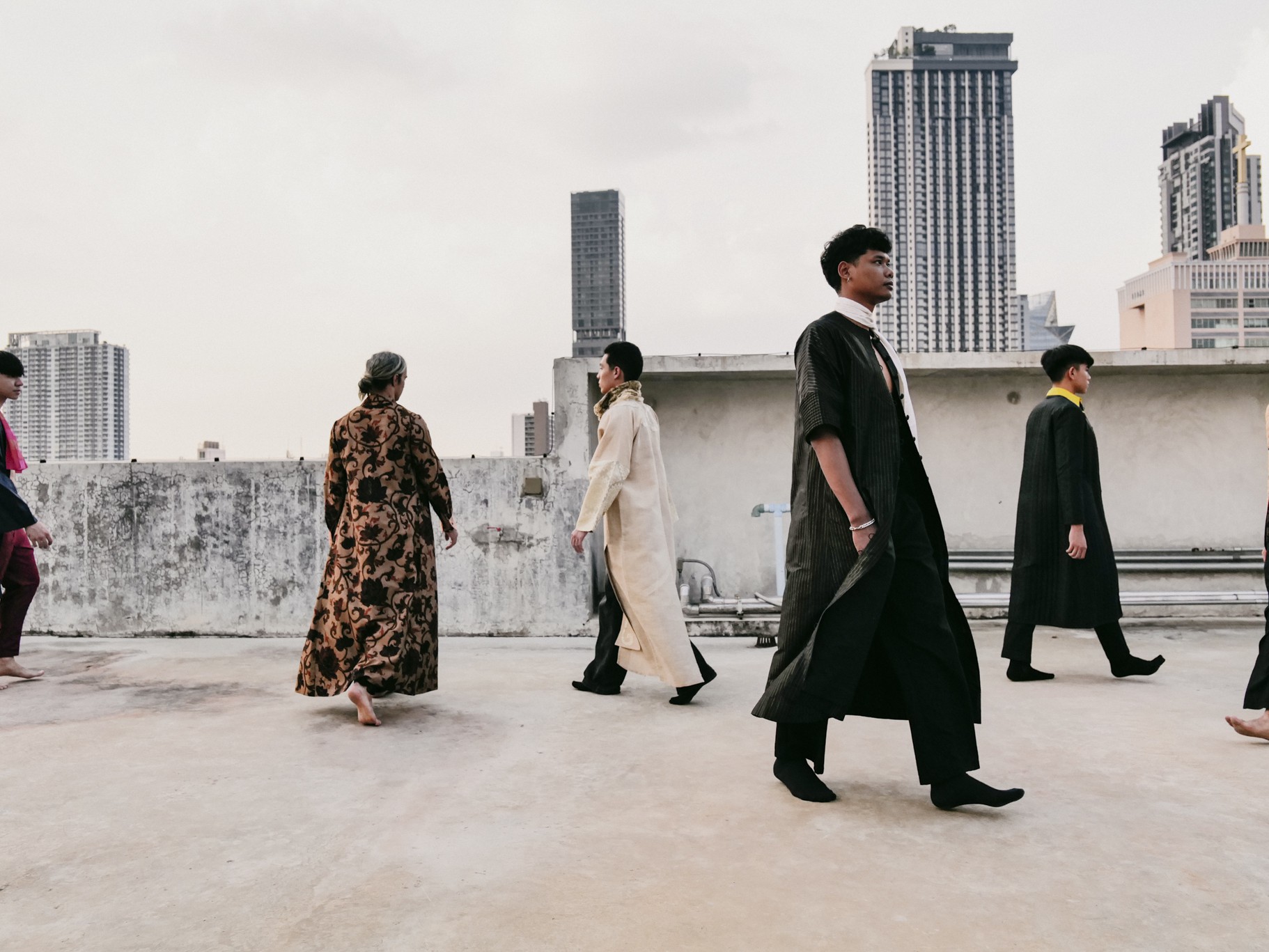
These questions are relocated into contemporary Thailand through choreographic research, where bodies, objects, sound, and material relationships become the primary means of investigation. Rather than asking what Ibsen’s characters would do today, the project asks how the invisible systems examined by Ibsen continue to organise contemporary bodies.
From Object-Based Performance to Object-Generated Choreography
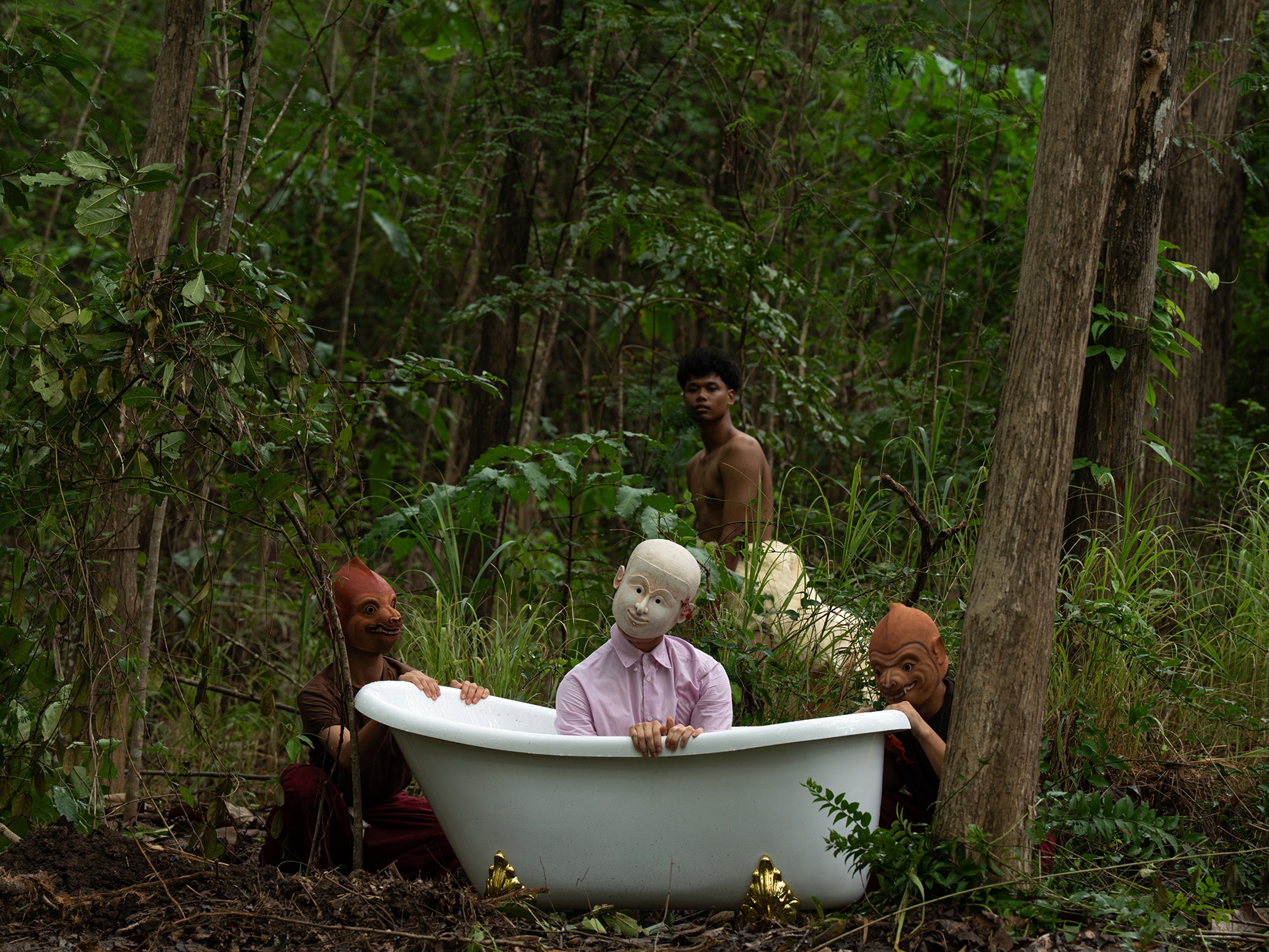
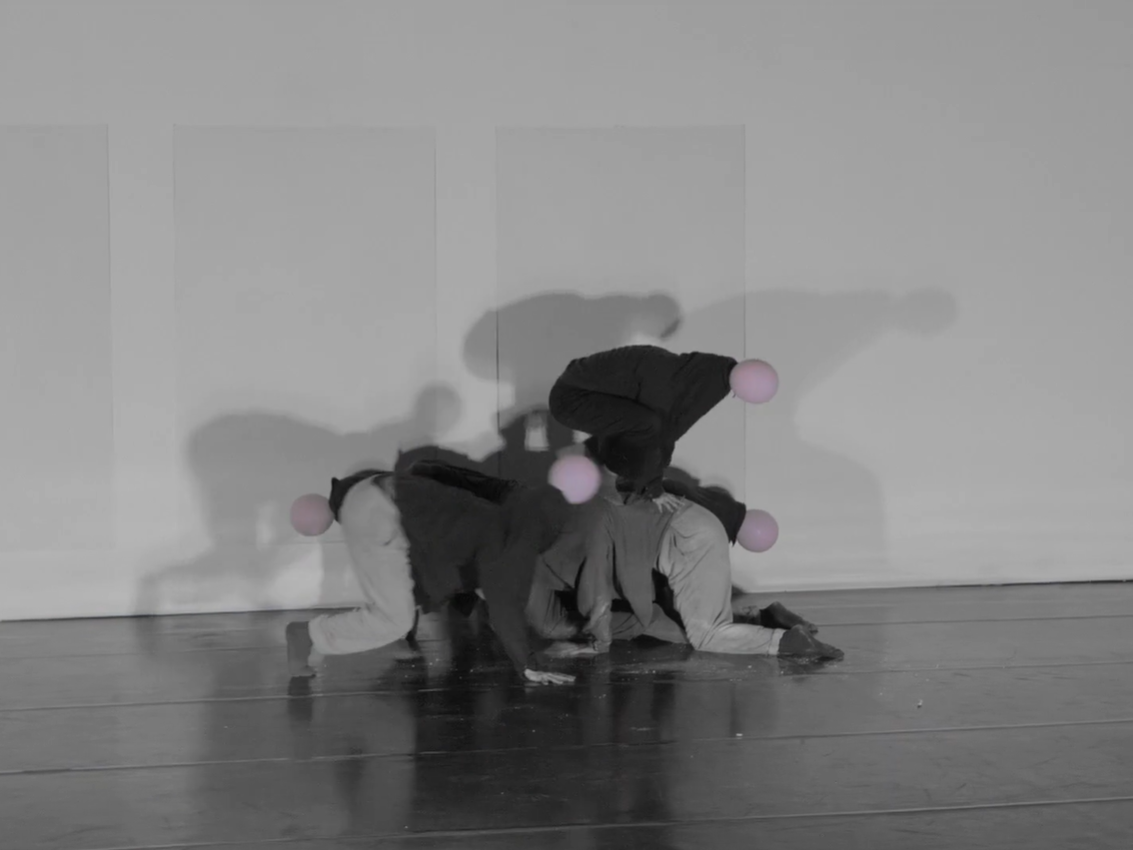
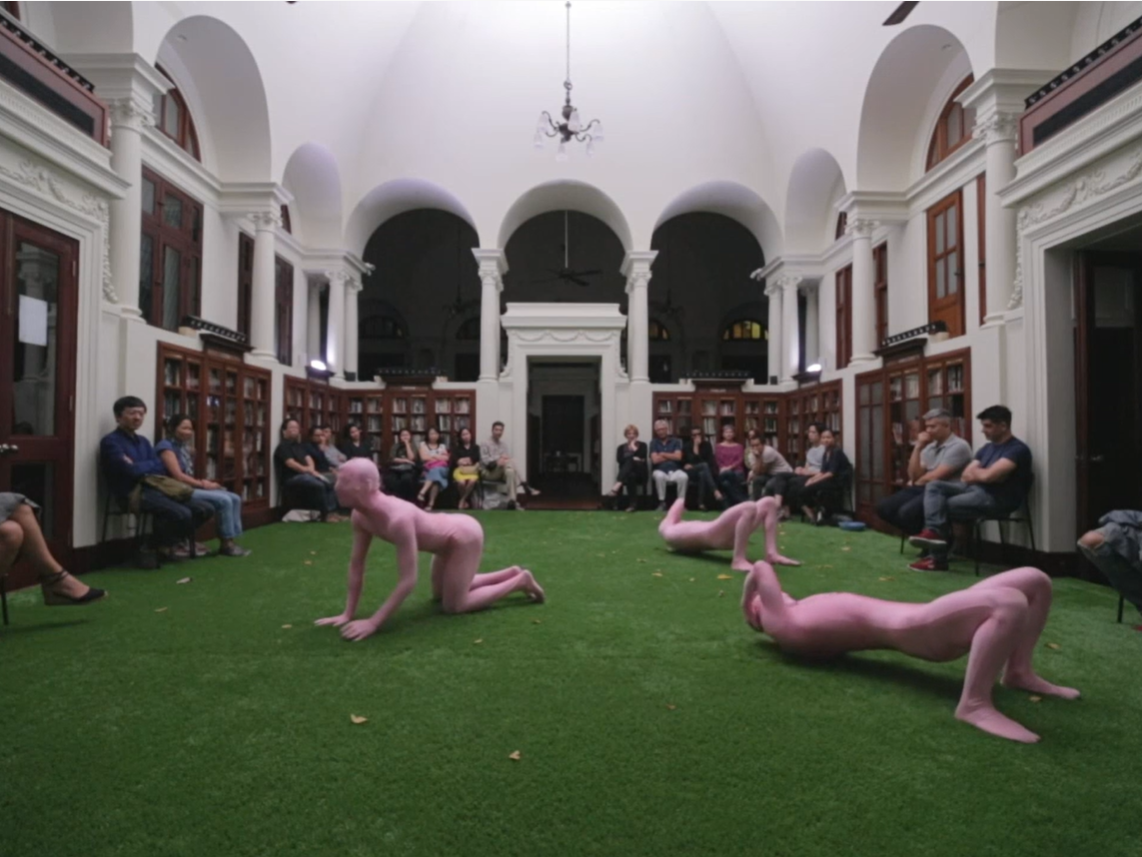
The central contribution of this research is the development of Object-Generated Choreography.In conventional choreography, movement is typically created by the choreographer and performed by the dancer. Objects are introduced afterwards as props, scenographic elements, or symbolic references that support an existing composition.This research reverses that relationship. Choreography begins not with the body, but with the object.Objects are understood as material systems capable of generating movement, rhythm, sound, spatial organisation, and social interaction. Instead of illustrating ideas, they establish physical conditions that performers must negotiate. Movement is therefore not imposed upon the object; it emerges through the encounter between bodies and material.
The research shifts the choreographic question from:“What does this object represent?”
to:
“How does this object generate choreography?”Meaning becomes the consequence of performance rather than its starting point.
The Choreographic Function of Objects
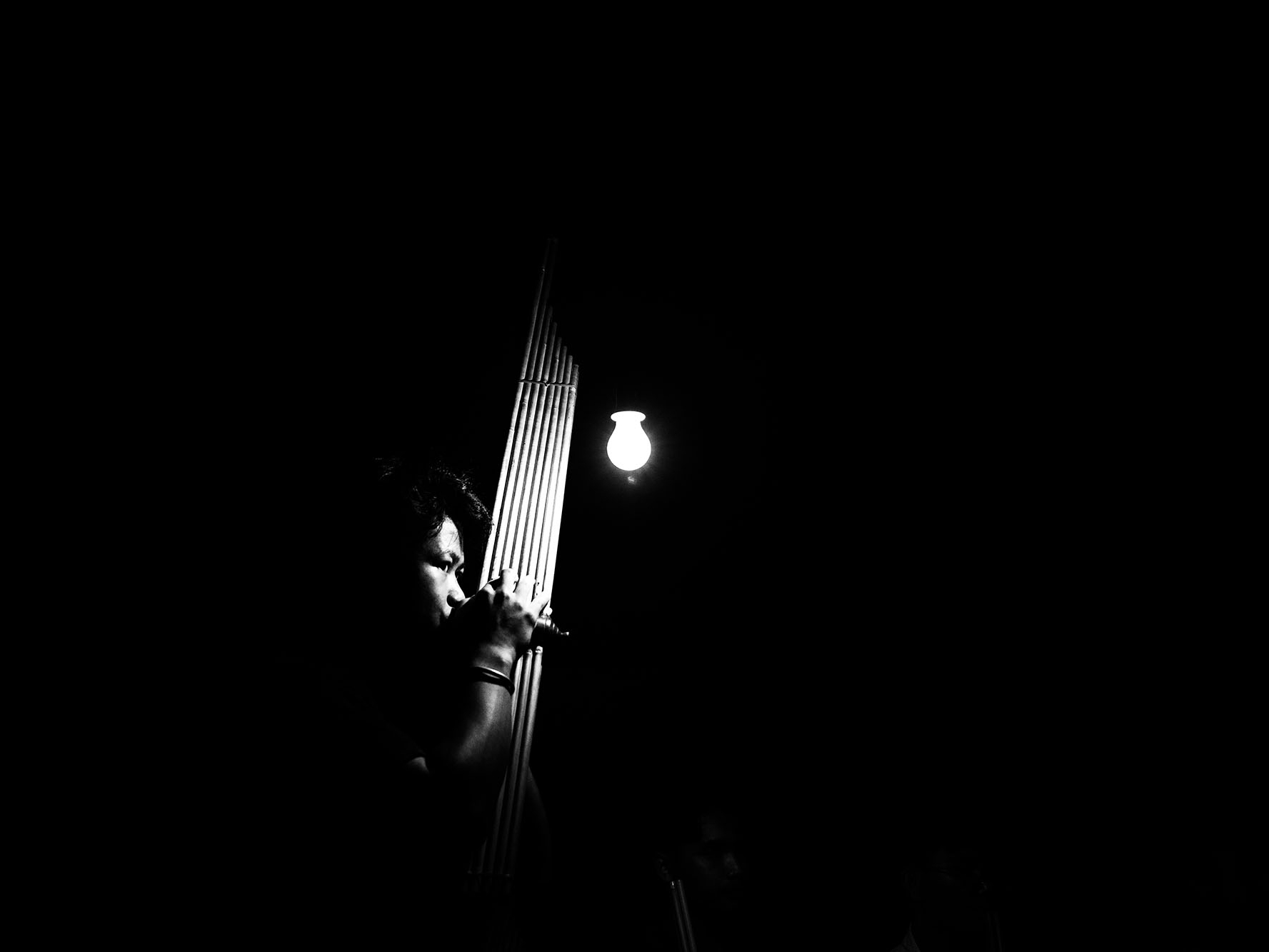
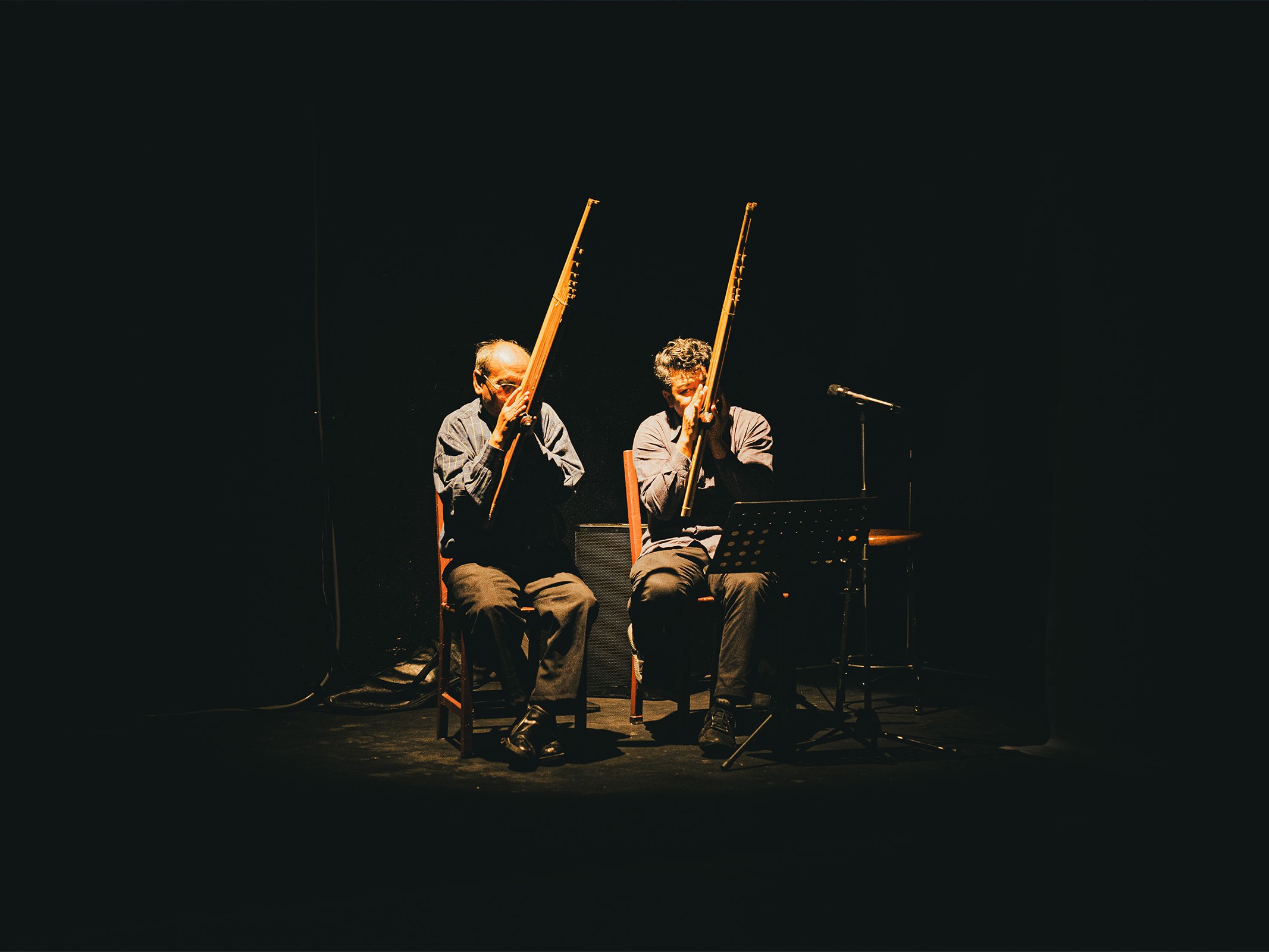
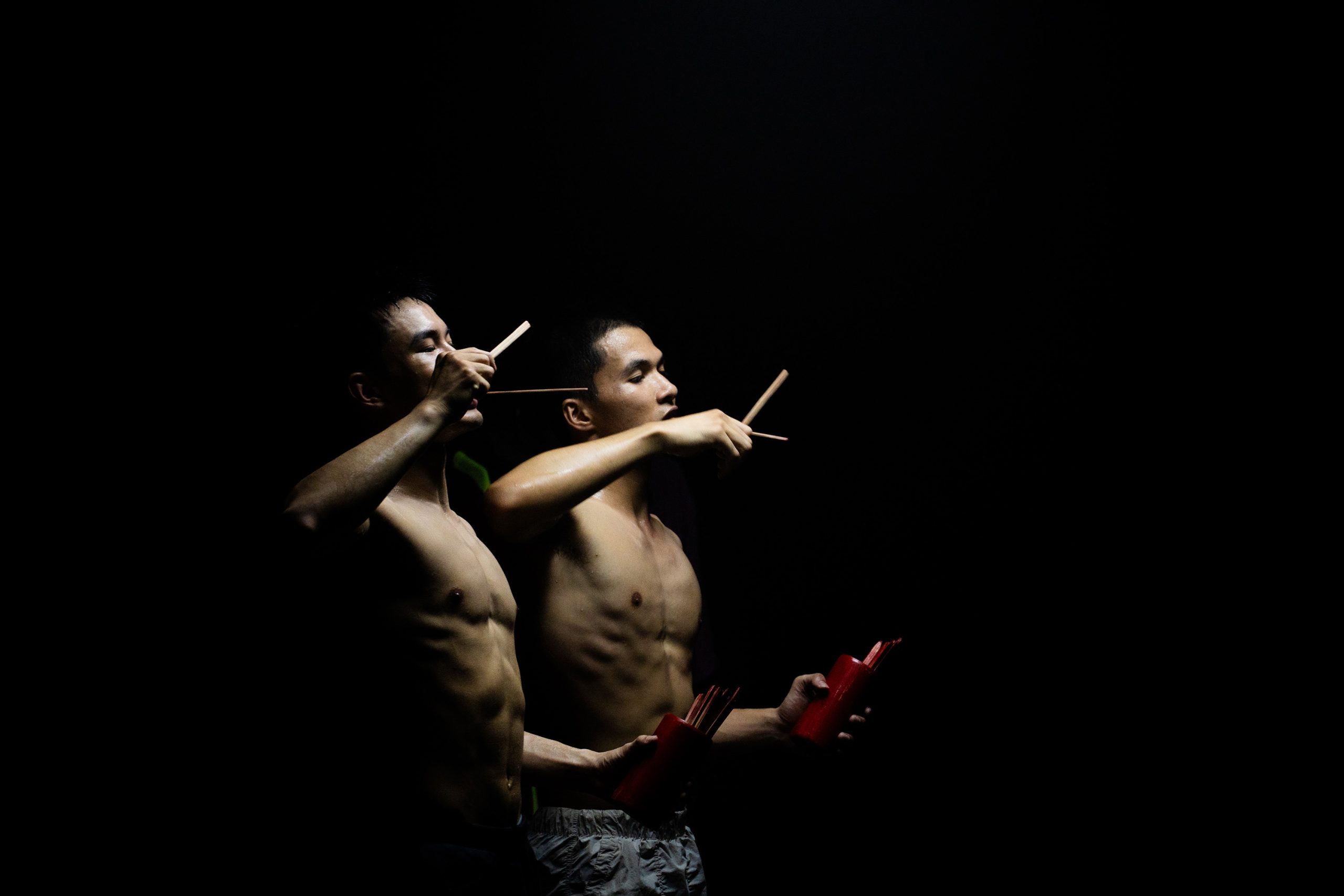
Within IBSEN120, objects possess choreographic agency through their material qualities and the physical conditions they produce. A remote-controlled toy soldier generates mechanical rhythm, electronic sound, and autonomous movement before performers begin to dance. Rather than imitating the toy, performers negotiate with its behaviour, allowing its movement logic to reorganise human movement. The shaking of fortune sticks creates rhythmic patterns that function as a musical score from which choreography develops. Sound becomes a generator of movement, transforming uncertainty into physical composition.
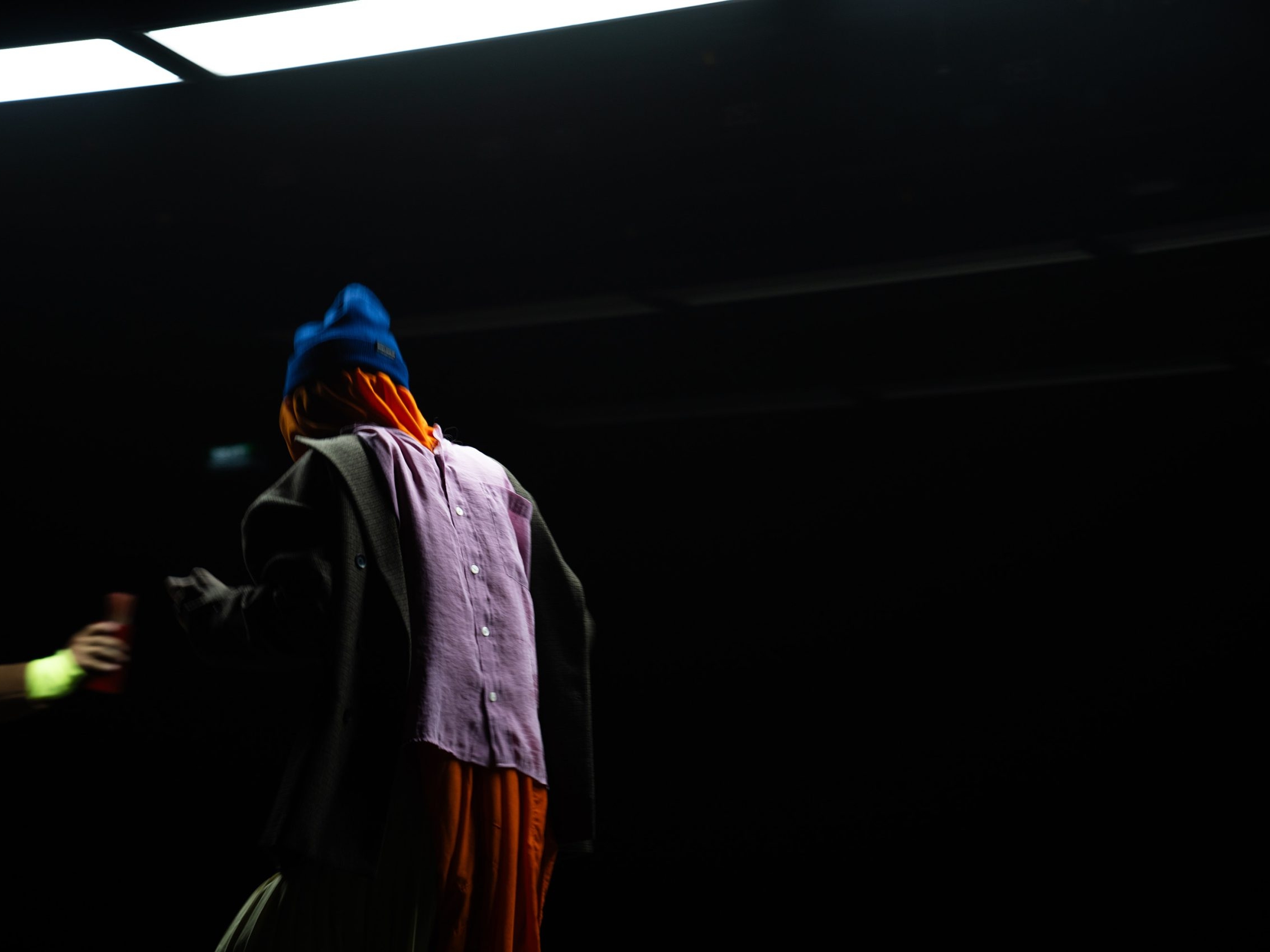
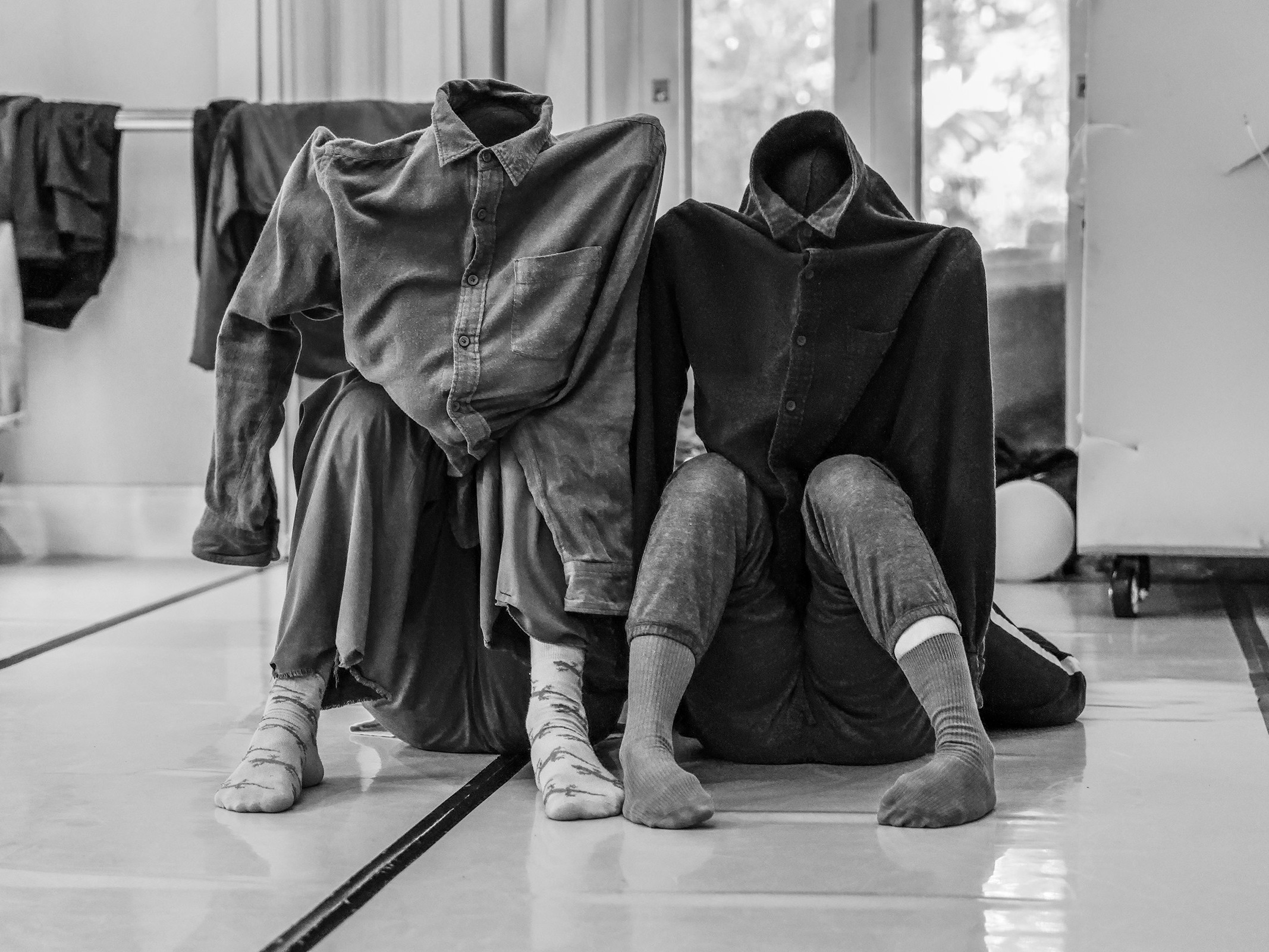
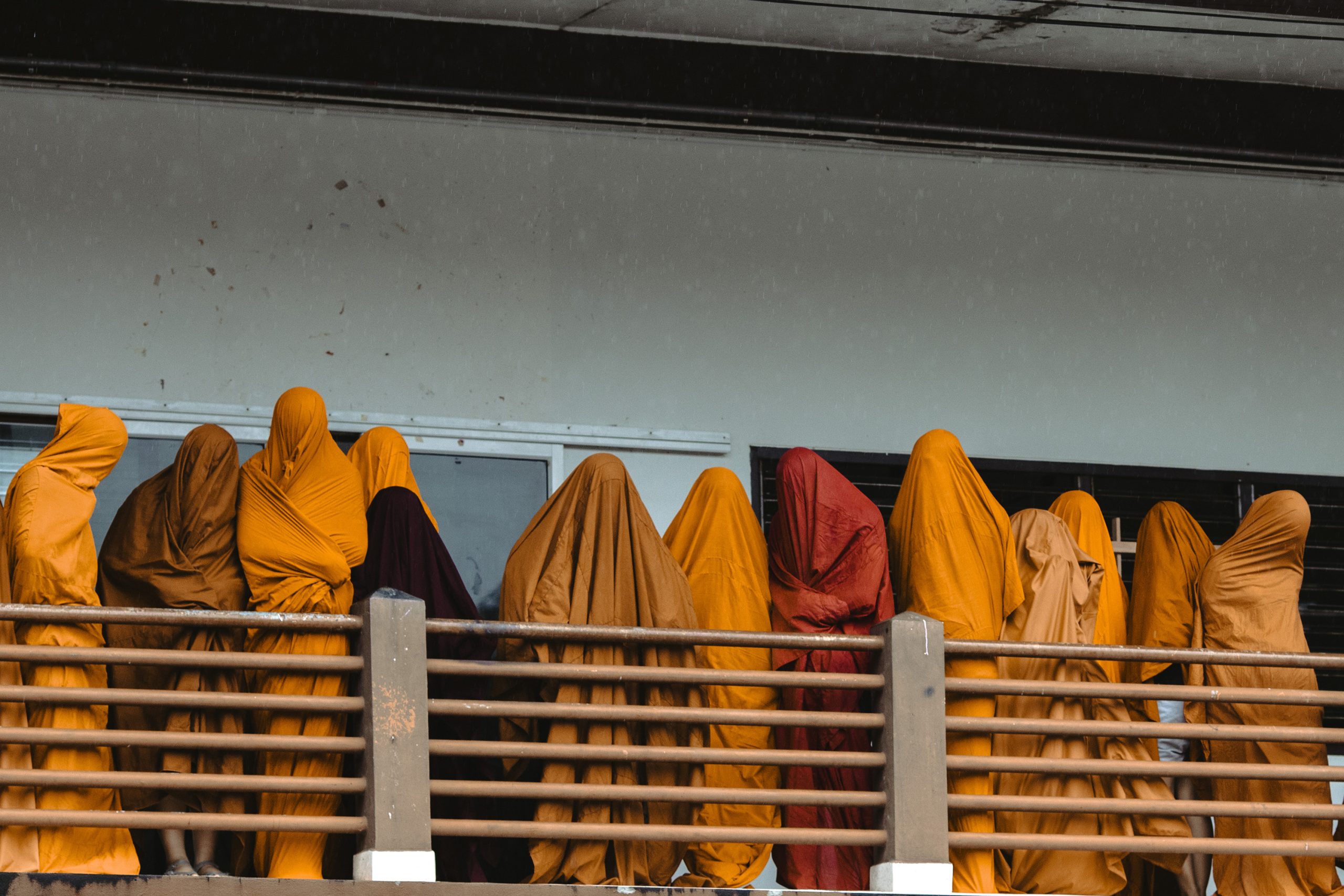
A monastic robe extends the body’s architecture. Weight, colour, texture, and volume continuously reshape balance, gesture, and spatial perception, allowing costume itself to become a moving scenographic structure. Military student boots produce choreography through impact and synchronised sound. Rhythm emerges from walking before it acquires social meaning, revealing how institutions organise bodies through repeated physical actions.Throughout the performance, objects generate choreographic situations rather than simply illustrating symbolic narratives. Their significance emerges through movement, repetition, timing, and the relationships they establish between performers, space, sound, and audience.
CreditsDirection, Concept, Choreography, Costume and Set Design: Jitti ChompeePerformers: Chachrist Chinnachote, Supnat WongchotiwanitDramaturgy: Suddan WisudthiluckProducer, Project Manager and General Director: Chaiwat LochotinantTechnicians: Jirach Eiamsa-ard, Thachaporn JirasakkeeProject Coordinator: Suteera Fankaew
SupportOffice of Contemporary Art and Culture (OCAC), Ministry of Culture, Thailand; National Choreography Centre of Thailand (NCCT); Department of Dramatic Arts, Faculty of Arts, Chulalongkorn University; Faculty of Fine and Applied Arts, Khon Kaen University; College of Music, Payap University; BU Theatre, Bangkok University; Thailand Creative & Design Center (TCDC Chiang Mai); and HAAN Studio-Theatre.